
A low mold diet‚ often explored in comprehensive PDF guides‚ emerges as a crucial strategy for those battling mold illness or CIRS‚ aiming to minimize mycotoxin exposure.
What is Mold Illness and CIRS?
Mold illness‚ and specifically Chronic Inflammatory Response Syndrome (CIRS)‚ represents a complex health issue triggered by exposure to mycotoxins – toxic substances produced by molds. These toxins‚ when inhaled or ingested‚ can initiate a cascade of inflammatory responses within the body. A low mold diet PDF often details how CIRS disrupts the body’s natural regulatory systems‚ impacting immune function‚ hormone balance‚ and neurological processes.
Unlike a typical allergic reaction‚ CIRS involves a persistent inflammatory response even after the mold exposure has ceased. Individuals with genetic predispositions are particularly vulnerable. Understanding this underlying pathology is key when utilizing a low mold diet PDF‚ as dietary changes aim to reduce the inflammatory burden and support the body’s detoxification pathways‚ ultimately assisting in the recovery process.
The Role of Mycotoxins
Mycotoxins are toxic compounds produced by various molds‚ and a low mold diet PDF emphasizes their significant role in triggering health problems. These insidious toxins can contaminate a wide range of foods‚ particularly grains‚ nuts‚ and dried fruits‚ becoming a hidden source of ongoing exposure. Once ingested‚ mycotoxins can disrupt cellular function‚ compromise the immune system‚ and contribute to chronic inflammation.
A detailed low mold diet PDF will explain how mycotoxins interfere with the body’s detoxification pathways‚ hindering its ability to eliminate these harmful substances. Reducing dietary mycotoxin intake is therefore a cornerstone of recovery‚ alongside addressing environmental mold exposure. The diet aims to lessen the toxic load‚ allowing the body to focus on healing and restoring optimal function.
Why a Low Mold Diet?
A low mold diet PDF advocates for this dietary approach as a vital component in managing mold illness or Chronic Inflammatory Response Syndrome (CIRS). It’s designed to reduce the intake of dietary mycotoxins‚ lessening the burden on the body’s detoxification systems. Many individuals experience significant improvements in symptoms like fatigue‚ brain fog‚ and digestive issues by minimizing exposure through food choices.
Resources like a comprehensive low mold diet PDF highlight that this isn’t a one-size-fits-all solution‚ but a powerful tool to support the body’s natural healing processes. It complements other strategies‚ such as mold remediation and medical interventions‚ offering a proactive step towards restoring health and well-being. It’s evidence-based medicine focused on reducing inflammation.

Core Principles of the Low Mold Diet
A low mold diet PDF emphasizes freshness‚ quality food sources‚ and minimizing mold-prone foods to reduce mycotoxin exposure and support detoxification pathways effectively.
Focus on Freshness
When consulting a low mold diet PDF‚ a cornerstone principle consistently highlighted is prioritizing freshness above all else. Mold thrives on stored foods‚ so opting for recently harvested produce and quickly consumed meals dramatically reduces exposure. This means frequent grocery shopping for smaller quantities‚ rather than bulk buying‚ is essential.
Frozen fruits and vegetables‚ if frozen immediately after harvest‚ can be acceptable alternatives when fresh options are limited. However‚ avoid prolonged storage. A detailed PDF guide will often emphasize the importance of inspecting all produce for any signs of mold before consumption. Preparing foods immediately before eating‚ rather than letting them sit‚ further minimizes potential mold growth and mycotoxin production‚ supporting the diet’s effectiveness.
Prioritizing Quality Food Sources
A comprehensive low mold diet PDF will invariably stress the significance of sourcing high-quality foods. Organic produce‚ whenever feasible‚ minimizes exposure to pesticides that can compromise the immune system‚ hindering the body’s ability to deal with mycotoxins. Locally sourced foods‚ particularly from farmers’ markets‚ often offer greater freshness and reduced storage times.
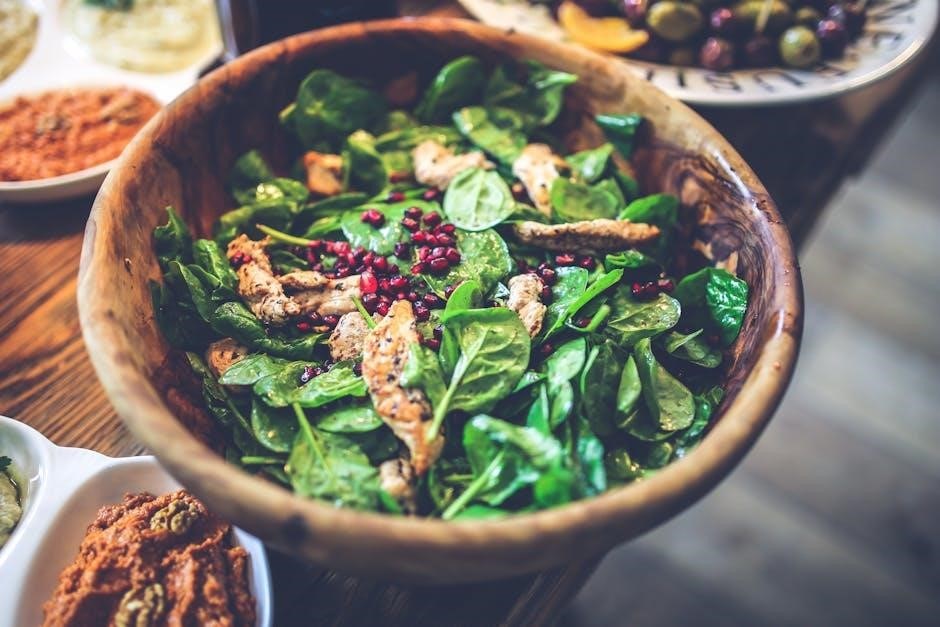
When selecting meats and proteins‚ opt for grass-fed‚ pasture-raised options‚ as these tend to have lower mycotoxin levels. Detailed PDF resources often recommend researching suppliers and understanding their storage practices. Prioritizing quality isn’t merely about avoiding mold; it’s about providing the body with the nutrients needed to detoxify and rebuild‚ maximizing the diet’s therapeutic benefits.
Minimizing Exposure to Mold-Prone Foods
A detailed low mold diet PDF will highlight specific food categories with a higher risk of mold contamination. Grains‚ nuts‚ seeds‚ dried fruits‚ coffee‚ and aged cheeses are consistently identified as problematic. These foods‚ due to their storage and processing methods‚ are particularly susceptible to mycotoxin development.
The PDF guides often recommend avoiding these entirely during the initial phases of the diet‚ or selecting them very cautiously. Proper storage is crucial – airtight containers and refrigeration can help‚ but aren’t foolproof. Understanding cross-contamination risks is also vital; avoid shared storage or preparation surfaces. Minimizing exposure isn’t about complete restriction forever‚ but about reducing the toxic load during recovery.

Foods to Avoid on a Low Mold Diet
A low mold diet PDF typically advises avoiding grains‚ nuts‚ seeds‚ dried fruits‚ coffee‚ chocolate‚ and aged/fermented foods due to high mold risk.
Grains and Cereals
A low mold diet PDF will strongly emphasize limiting or eliminating most grains and cereals. This is because these staples are particularly susceptible to mold growth during cultivation‚ harvesting‚ storage‚ and processing. Common culprits include wheat‚ rice‚ corn‚ barley‚ rye‚ and oats. The issue isn’t necessarily the grain itself‚ but the potential for mycotoxin contamination.
Specifically‚ the presence of amylose – a component of starch – is often targeted in stricter protocols like the no-amylose diet‚ which is sometimes detailed within these guides. Therefore‚ even seemingly “healthy” whole grains are often restricted. Alternatives‚ if any‚ are usually limited to very carefully sourced and tested options‚ or are avoided altogether during the initial phases of the diet. Careful label reading is essential‚ as hidden grain ingredients are common.
Nuts and Seeds
A comprehensive low mold diet PDF will highlight nuts and seeds as foods requiring significant caution. Like grains‚ they are prone to mold contamination‚ particularly aflatoxins‚ during growth and storage. Peanuts‚ cashews‚ pistachios‚ and Brazil nuts are often identified as higher-risk options. Seeds‚ including sunflower‚ pumpkin‚ and flax‚ also carry potential mold exposure.
The guides often recommend limiting or avoiding these foods‚ especially during the initial detoxification phase. If consumed‚ choosing organic‚ vacuum-sealed‚ and promptly refrigerated options is crucial. Roasting nuts can sometimes reduce mycotoxin levels‚ but doesn’t eliminate the risk entirely. Emphasis is placed on freshness and sourcing from reputable suppliers who test for mycotoxins.
Dried Fruits
A detailed low mold diet PDF consistently flags dried fruits as a significant concern due to their high susceptibility to mold growth during the drying process and subsequent storage. The concentration of sugars in dried fruits further encourages mold proliferation. Figs‚ dates‚ raisins‚ apricots‚ and mangoes are frequently cited as problematic.

These guides typically advise strict avoidance‚ particularly during the initial stages of a mold detoxification protocol. If included later‚ opting for organic varieties‚ ensuring they are sulfur-free (sulfur dioxide is sometimes used as a preservative‚ but can be problematic for some)‚ and consuming them in very small quantities is suggested. Prioritizing freshness and proper storage are paramount to minimizing exposure.
Coffee and Chocolate
Many low mold diet PDF resources identify coffee and chocolate as high-risk foods‚ frequently contaminated with mycotoxins‚ particularly ochratoxin A. Coffee beans are often grown and stored in humid conditions‚ fostering mold growth. Similarly‚ cacao beans‚ the source of chocolate‚ are also prone to mold contamination during fermentation‚ drying‚ and storage.
These guides generally recommend complete avoidance‚ especially during the initial phases of a mold detoxification program. If reintroduced‚ selecting organic‚ fair-trade brands and opting for cacao nibs (less processed) are suggested. Thoroughly researching brands for mycotoxin testing results is also advised‚ as some companies now prioritize mold-free products.
Aged Cheeses and Fermented Foods
Low mold diet PDF guides consistently flag aged cheeses and many fermented foods as problematic due to their inherent mold content. The aging process intentionally utilizes molds for flavor development‚ but these molds can produce mycotoxins. Common culprits include aged cheddar‚ parmesan‚ blue cheese‚ and certain types of salami.
Fermented foods like sauerkraut‚ kimchi‚ and kombucha‚ while generally healthy‚ can also harbor mold if not prepared and stored correctly. Resources suggest limiting or avoiding these during strict phases‚ prioritizing fresh‚ unfermented alternatives. If reintroduced‚ choosing traditionally made‚ small-batch fermented products with verifiable quality control is recommended.

Foods to Emphasize on a Low Mold Diet
A low mold diet PDF stresses prioritizing fresh‚ high-quality proteins‚ vegetables‚ and fruits to minimize mycotoxin intake and support the body’s healing.
Fresh Vegetables
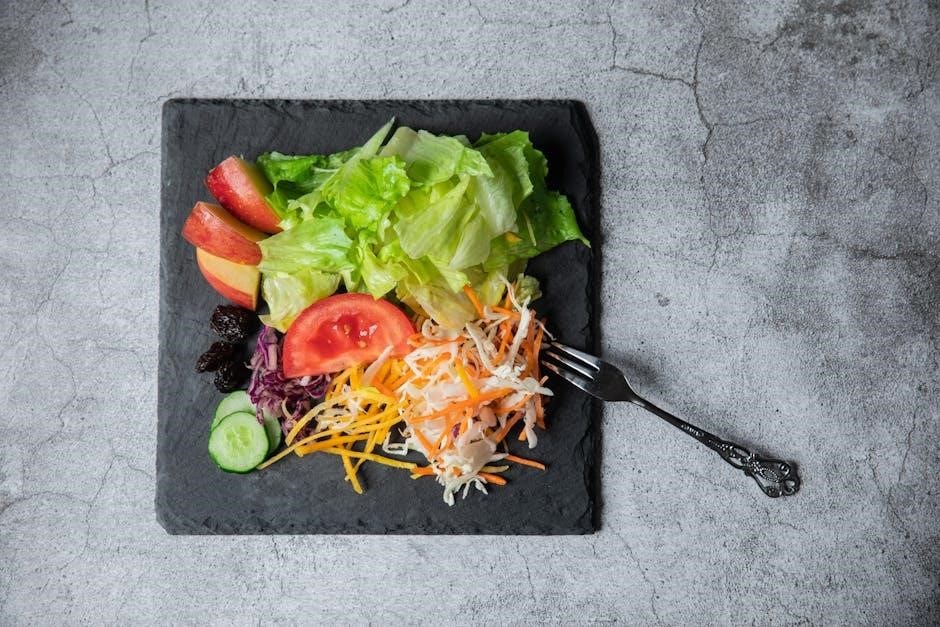
A detailed low mold diet PDF will consistently highlight fresh vegetables as a cornerstone of the dietary approach. These are naturally low in mold and mycotoxins‚ providing essential nutrients to support detoxification pathways and overall health during recovery. Focus on non-starchy options like leafy greens – spinach‚ kale‚ and lettuce – alongside broccoli‚ cauliflower‚ bell peppers‚ cucumbers‚ and zucchini.
Prioritize organic produce whenever possible to minimize pesticide exposure‚ which can further burden the body’s systems. Thoroughly washing all vegetables is also crucial‚ even organic ones‚ to remove any potential surface contaminants. The emphasis is on consuming these vegetables as soon as possible after purchase to maximize freshness and nutrient density‚ aligning with the core principles of the diet.
Fresh Fruits
A comprehensive low mold diet PDF will emphasize the inclusion of fresh fruits‚ recognizing their role in providing vital nutrients and supporting the body’s detoxification processes. Opt for fruits with lower sugar content‚ such as berries – blueberries‚ raspberries‚ and strawberries – alongside apples‚ pears‚ and peaches. These choices are generally less prone to mold growth compared to dried fruits or those with higher sugar levels.
Similar to vegetables‚ prioritizing organic options and thorough washing are essential. Consume fruits promptly after purchase to ensure maximum freshness and nutrient bioavailability. While fruits offer beneficial antioxidants‚ moderation is key‚ aligning with the overall goal of minimizing potential mycotoxin exposure and supporting gut health.
High-Quality Proteins
A detailed low mold diet PDF will highlight the importance of incorporating high-quality protein sources‚ crucial for supporting the body’s detoxification pathways and overall recovery from mold illness. Prioritize wild-caught fish‚ such as salmon and sardines‚ known for their omega-3 fatty acids and lower toxin load. Grass-fed beef and organic poultry are also excellent choices‚ ensuring minimal exposure to potential contaminants.
Avoid processed meats and conventionally raised animal products‚ as these may harbor higher levels of mycotoxins or inflammatory compounds. Adequate protein intake supports gut integrity and provides the building blocks for essential repair processes‚ vital during a mold detox.
Healthy Fats
A comprehensive low mold diet PDF emphasizes the inclusion of healthy fats‚ vital for brain function‚ hormone production‚ and reducing inflammation – all key considerations during mold recovery. Focus on sources like avocados‚ olive oil‚ and coconut oil‚ which are less prone to mold contamination. Incorporate fatty fish‚ such as salmon‚ rich in omega-3 fatty acids‚ known for their anti-inflammatory properties.
Avoid processed vegetable oils and refined fats‚ as these can contribute to inflammation. Healthy fats also aid in the absorption of fat-soluble vitamins‚ supporting the body’s natural detoxification processes and overall well-being.
Implementing the Low Mold Diet
A detailed low mold diet PDF guides a phased transition‚ emphasizing professional support to navigate challenges and personalize the plan for optimal recovery.
Transitioning to the Diet
Successfully adopting a low mold diet‚ as detailed in many low mold diet PDF resources‚ isn’t an overnight switch. A gradual transition minimizes potential die-off symptoms and supports the body’s detoxification processes. Begin by eliminating the most problematic foods – grains‚ dried fruits‚ coffee – and observe your body’s response.
Many guides suggest starting with a 30-day elimination phase‚ meticulously tracking symptoms. A PDF guide will often provide a phased approach‚ slowly reintroducing foods to identify individual sensitivities. Prioritize fresh produce and high-quality proteins during this initial phase. Remember‚ consistency is key‚ and a well-structured PDF can offer sample meal plans and shopping lists to streamline the process‚ making the transition more manageable and sustainable.
Working with a Healthcare Professional
Navigating a low mold diet‚ especially when utilizing a detailed low mold diet PDF‚ is significantly enhanced with professional guidance; A functional medicine doctor or nutritionist experienced in CIRS can personalize the diet based on your specific needs and sensitivities. They can assess mycotoxin levels and monitor your progress‚ adjusting the plan as necessary.
A PDF resource often emphasizes the importance of addressing underlying health issues alongside dietary changes. A healthcare professional can help identify and treat any co-infections or nutritional deficiencies. They can also provide support for managing potential die-off symptoms and ensure the diet remains nutritionally adequate. Remember‚ self-treating can be risky; professional oversight is crucial for optimal results.
Potential Challenges and Solutions
Implementing a low mold diet‚ even with a comprehensive low mold diet PDF‚ presents challenges. Initial restrictions can feel overwhelming‚ and finding acceptable replacements for commonly avoided foods requires effort. “Die-off” symptoms – temporary worsening of symptoms as toxins are released – are common and can be managed with supportive therapies recommended in the PDF.
Social situations and dining out pose difficulties‚ demanding careful planning and communication. A PDF guide often includes strategies for navigating these scenarios. Maintaining long-term adherence requires commitment and a strong understanding of the diet’s rationale. Consider joining support groups or working with a health coach for accountability and encouragement.

Comparing the Low Mold Diet to Other Diets
A low mold diet PDF often contrasts this approach with low histamine‚ AIP‚ ketogenic‚ and carnivore diets‚ highlighting unique focuses on mycotoxin avoidance for CIRS.
Low Histamine Diet
While both the low mold and low histamine diets address inflammatory conditions‚ their primary focuses differ significantly‚ as detailed in many low mold diet PDF resources. A low histamine diet aims to reduce histamine intake‚ a compound involved in allergic and inflammatory responses‚ often found in fermented and aged foods. Conversely‚ the low mold diet specifically targets mycotoxins – toxic substances produced by molds – found in a broader range of foods like grains‚ coffee‚ and certain nuts.
Individuals may find overlap in permitted foods‚ but the rationale behind avoidance is distinct. Some PDF guides suggest combining aspects of both diets for synergistic benefits‚ particularly for those with sensitivities to both histamine and mold. However‚ a strictly low histamine diet doesn’t necessarily address mycotoxin exposure‚ and vice versa‚ making understanding their differences crucial.
Autoimmune Protocol (AIP) Diet
The Autoimmune Protocol (AIP) diet‚ often detailed within comprehensive low mold diet PDF guides as a comparative approach‚ is a more restrictive elimination diet designed to reduce inflammation and heal the gut in autoimmune conditions. It removes potential irritants like grains‚ legumes‚ nightshades‚ dairy‚ eggs‚ and nuts – many of which also feature on a low mold diet’s avoidance list.
However‚ the AIP diet’s focus is broader‚ targeting gut permeability and immune system regulation‚ while the low mold diet specifically addresses mycotoxin exposure. Some PDF resources suggest that successfully navigating AIP can create a foundation for a low mold diet‚ improving gut health and reducing overall inflammation. Individuals may find the AIP diet too restrictive long-term‚ whereas a low mold diet offers a more targeted approach.
Ketogenic Diet
The Ketogenic diet‚ frequently discussed alongside the low mold diet in detailed PDF resources‚ is a high-fat‚ very low-carbohydrate diet that forces the body to burn fat for fuel. While not directly focused on mold toxicity‚ its anti-inflammatory properties can be beneficial for individuals with CIRS. However‚ certain ketogenic staples‚ like some nuts and seeds‚ are potential mold contaminants and require careful sourcing‚ as highlighted in many low mold diet PDF guides.
Some PDFs suggest a modified ketogenic approach‚ prioritizing low-mold-risk fats and proteins‚ can complement a low mold protocol. It’s crucial to remember that the ketogenic diet’s restrictions differ significantly from a low mold diet‚ and careful planning is essential to avoid inadvertently increasing mycotoxin exposure.
Carnivore Diet
The Carnivore diet‚ often briefly mentioned within comprehensive PDF guides on mold illness‚ is an extremely restrictive diet consisting solely of animal products. Proponents suggest its elimination of plant-based foods inherently reduces mycotoxin intake‚ as molds thrive on plant matter. However‚ the quality of animal products is paramount; conventionally raised animals may harbor toxins‚ a point emphasized in several low mold diet PDF resources.
While potentially minimizing mold exposure‚ a strict carnivore diet lacks the diversity of nutrients found in a well-planned low mold approach. PDFs often caution against long-term adherence without careful monitoring and supplementation. It’s crucial to prioritize grass-fed‚ pasture-raised meats to mitigate potential toxin burdens.
Resources for a Low Mold Diet PDF
Numerous PDF resources offer recipes‚ meal plans‚ and shopping lists for a low mold diet‚ aiding individuals in navigating this restrictive eating approach effectively.
Finding Reliable Recipes
Locating trustworthy recipes is paramount when embarking on a low mold diet‚ often detailed within comprehensive PDF guides. Many websites and functional medicine practitioners offer curated collections specifically designed to minimize mycotoxin intake. Prioritize sources that emphasize fresh‚ whole foods and clearly list ingredients‚ avoiding those prone to mold contamination like aged cheeses or certain grains.
Look for recipes that are simple and adaptable‚ allowing for substitutions based on individual tolerances. Online communities and forums dedicated to mold illness can be invaluable for sharing experiences and recipe ideas. Several PDF resources compile tested recipes‚ streamlining the meal planning process. Remember to always double-check ingredient lists and preparation methods to ensure compliance with the diet’s core principles‚ focusing on freshness and quality.
Sample Meal Plans
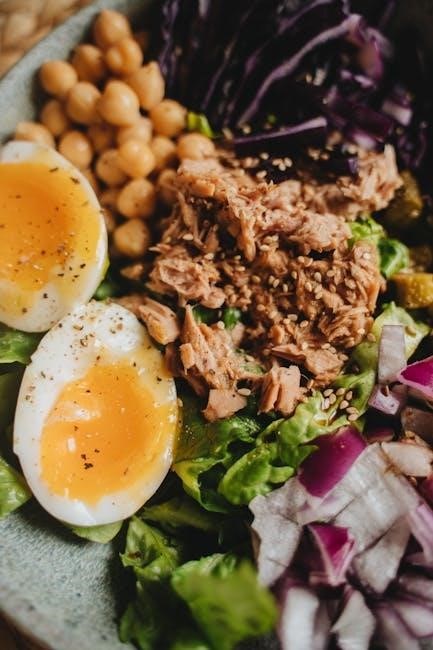
Many low mold diet PDF resources include sample meal plans to guide individuals through the initial phases of dietary change. These plans typically showcase a focus on fresh vegetables‚ fruits‚ and high-quality proteins‚ while strictly limiting mold-prone foods like grains‚ dried fruits‚ and coffee. Expect to see breakfast options centered around eggs and leafy greens‚ lunches featuring salads with lean protein‚ and dinners incorporating steamed or roasted vegetables with fish or poultry.
These plans aren’t rigid prescriptions but rather templates to inspire meal creation. They demonstrate how to build balanced‚ nutrient-dense meals within the diet’s parameters. Utilizing a PDF with pre-designed plans can significantly reduce the cognitive load of meal planning‚ especially during the challenging transition period‚ and ensure consistent adherence to the diet’s principles.
Shopping Lists
Comprehensive low mold diet PDF guides frequently incorporate detailed shopping lists‚ a vital component for successful implementation. These lists categorize foods based on their suitability – “safe” versus “avoid” – streamlining the grocery shopping process and minimizing accidental exposure to mycotoxins. Expect to find an emphasis on fresh produce‚ specifically leafy greens‚ berries‚ and non-starchy vegetables‚ alongside quality protein sources like wild-caught fish and organic poultry.
The lists often include specific recommendations‚ such as choosing organic options whenever possible and avoiding pre-packaged or processed foods. Having a pre-populated shopping list within the PDF reduces decision fatigue and ensures individuals are well-equipped to maintain the diet’s strict guidelines‚ ultimately supporting their recovery journey.