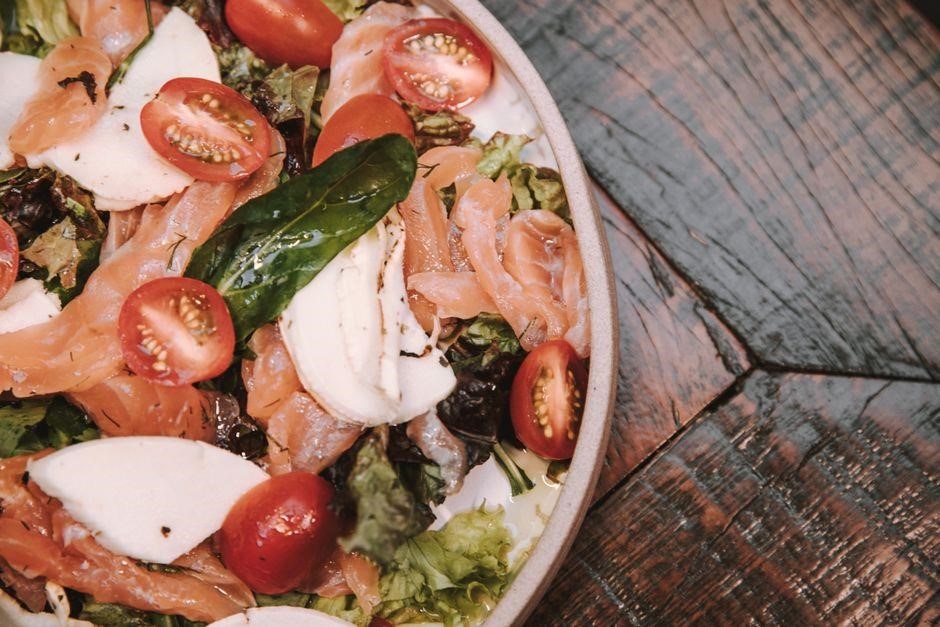
Discover the 2022 Anti‑Inflammatory Diet e‑book by the Anticancer Lifestyle Program. It defines inflammation, lists foods, herbs, spices, and lifestyle habits that lower chronic inflammation. Download, read, and adapt the menu to support your wellness journey. It anti‑inflammatory spices and daily habits.
Overview of the PDF Resource
The 2022 Anti‑Inflammatory Diet e‑book, published by the Anticancer Lifestyle Program, serves as a comprehensive guide for individuals seeking to reduce chronic inflammation through nutrition. This PDF consolidates current scientific findings on the role of diet in inflammatory pathways, offering a framework for meal planning. The resource is organized into sections that explain the biological basis of inflammation and identify foods that promote or mitigate inflammatory responses. Readers are introduced to a curated list of antioxidant‑rich fruits and vegetables, omega‑3‑rich fatty acids, and anti‑inflammatory spices, each accompanied by practical serving suggestions. Additionally, the e‑book outlines lifestyle factors—such as sleep quality, stress management, and physical activity—that synergistically influence inflammatory markers. The document is designed for easy navigation, featuring a table of contents, hyperlinks to key sections, and downloadable worksheets that enable users to track progress. By integrating evidence‑based recommendations with actionable meal plans, the PDF empowers users to make informed dietary choices that support long‑term health and potentially lower the risk of chronic diseases associated with inflammation.
Users can customize the menu by selecting preferred protein sources and adjusting portion sizes to accommodate allergies or intolerances. The e‑book provides guidance on reading food labels, choosing minimally processed options, and incorporating anti‑inflammatory herbs such as turmeric, ginger, and oregano. The resource is freely available for download, making it accessible to a broad audience. By following the structured approach presented in this PDF, individuals can systematically reduce inflammatory triggers and promote overall well‑being.
The PDF design encourages consistent use, with weekly meal templates that can be printed or saved digitally for quick reference. Enjoy reading.
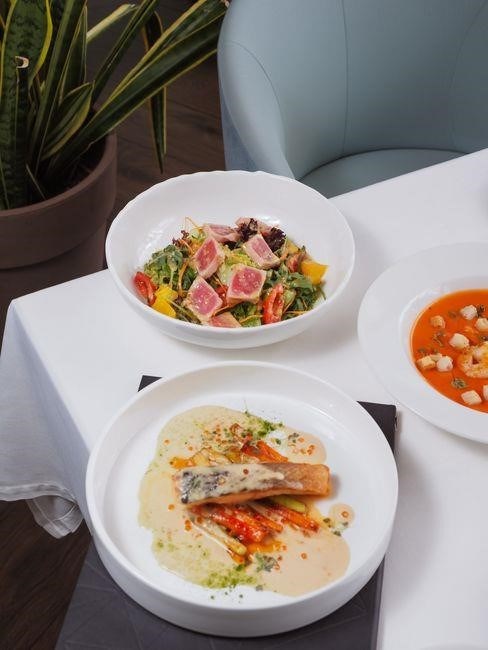
Key Features and Structure
The PDF is organized into a clear, user‑friendly structure that guides readers from foundational science to actionable meal plans; It opens with a concise definition of inflammation, distinguishing acute from chronic processes, and explains how diet can modulate inflammatory pathways. Following this, the guide presents a curated list of anti‑inflammatory foods, grouped by category—fruits, vegetables, whole grains, lean proteins, healthy fats, and spices—each accompanied by evidence‑based benefits and sample serving sizes. The e‑book also includes a section on foods to limit, detailing how refined sugars, trans fats, and certain grains can exacerbate inflammation. To facilitate daily use, the PDF offers a printable weekly menu template that incorporates the recommended foods into balanced meals, complete with portion guidelines and cooking tips. Users can customize the template by swapping ingredients to suit allergies, dietary preferences, or cultural tastes. Additional features include a quick‑reference chart of anti‑inflammatory herbs, a glossary of key terms, and a set of actionable lifestyle recommendations such as stress‑reduction techniques and sleep hygiene practices. The resource is designed for accessibility, with clear headings, bullet points, and hyperlinks that allow readers to jump directly to specific sections. By following this structured approach, individuals can systematically reduce inflammatory triggers, support immune health, and potentially lower the risk of chronic disease. This guide empowers you.!!

Scientific Foundations of Inflammation
The PDF explains how inflammation is a protective immune response that, when dysregulated, contributes to chronic disease. It outlines mechanisms key cytokines, and how diet can modulate pathways, providing evidence for anti‑inflammatory nutrition strategies.
Acute vs. Chronic Inflammation Explained

Acute inflammation is a rapid, short‑term response to injury or infection, characterized by redness, heat, swelling, pain, and loss of function. It involves neutrophils, mast cells, and the release of cytokines such as IL‑1, TNF‑α, and IL‑6, which recruit immune cells to the affected site. The goal is to eliminate the offending agent and initiate tissue repair. Once the threat is cleared, anti‑inflammatory mediators like IL‑10 and transforming growth factor‑β (TGF‑β) promote resolution, restoring homeostasis.
Chronic inflammation, in contrast, persists over weeks to years and is often triggered by unresolved stimuli—such as persistent infections, autoimmune responses, or continuous exposure to irritants. It is dominated by macrophages, lymphocytes, and fibroblasts, producing a different cytokine milieu that includes IL‑12, IFN‑γ, and chronic TNF‑α. This sustained inflammatory state leads to tissue remodeling, fibrosis, and a heightened risk for diseases like atherosclerosis, type‑2 diabetes, and certain cancers. The anti‑inflammatory diet PDF highlights how specific foods can shift the balance toward resolution, reducing the chronic inflammatory burden and mitigating disease progression.
Role of Inflammation in Chronic Diseases
Persistent low‑grade inflammation is a common denominator in many chronic conditions. In cardiovascular disease, inflammatory cytokines such as IL‑6 and TNF‑α promote endothelial dysfunction, plaque formation, and thrombosis. In metabolic disorders, chronic inflammation in adipose tissue disrupts insulin signaling, leading to insulin resistance and type‑2 diabetes. Neurodegenerative diseases, including Alzheimer’s and Parkinson’s, involve microglial activation and the release of pro‑inflammatory mediators that damage neurons. Autoimmune disorders such as rheumatoid arthritis, lupus, and inflammatory bowel disease arise from a dysregulated immune system that continuously targets self‑tissues, sustaining a cycle of tissue injury and repair. Cancer development is also linked to inflammation; tumor‑associated macrophages and chronic oxidative stress create a microenvironment that supports genetic mutations, angiogenesis, and metastasis. The anti‑inflammatory diet PDF emphasizes foods rich in polyphenols, omega‑3 fatty acids, and fiber that can lower systemic inflammatory markers, thereby reducing the risk or severity of these diseases. By incorporating anti‑inflammatory foods and lifestyle habits, individuals can interrupt the inflammatory cascade and promote long‑term health.
Adopting this menu reduces inflammation and boosts overall vitality, improving sleep, mood, and focus. Tracking markers like CRP and integrating exercise creates a synergistic approach for lasting health. It also supports gut health and reduces oxidative stress.
Core Foods that Reduce Inflammation
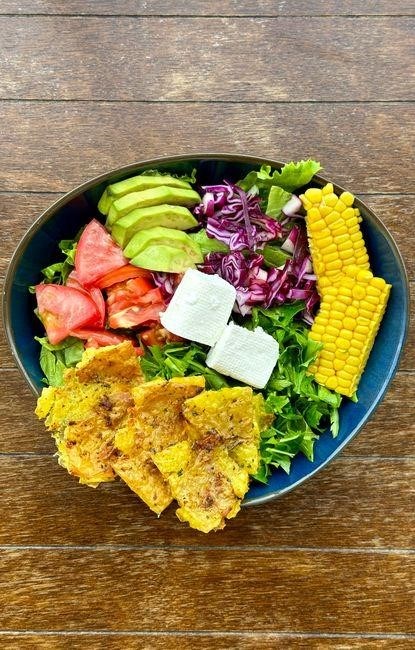
Explore the PDF’s core anti‑inflammatory foods: berries, leafy greens, fatty fish, nuts, olive oil, turmeric, ginger, and green tea. These items are high in antioxidants, omega‑3s, and phytochemicals that curb oxidative stress and lower cytokine levels. Add them daily for lasting anti‑inflammatory benefits.
Fruits and Vegetables Rich in Antioxidants
According to the 2022 Anticancer Lifestyle Program e‑book, a variety of colorful produce delivers powerful anti‑inflammatory compounds. Berries—blueberries, strawberries, raspberries, and blackberries—contain anthocyanins that neutralize free radicals and reduce C‑reactive protein. Dark leafy greens such as spinach, kale, and Swiss chard are high in lutein, zeaxanthin, and vitamin E, supporting vascular health and dampening inflammatory signaling. Cruciferous vegetables—broccoli, Brussels sprouts, cauliflower, and cabbage—provide sulforaphane, a potent inducer of detoxifying enzymes that lower oxidative stress. Sweet potatoes and carrots add beta‑carotene, which the body converts to vitamin A, essential for immune regulation. Citrus fruits like oranges, grapefruits, and lemons are rich in vitamin C and flavonoids, boosting antioxidant defenses. Tomatoes, especially when cooked, release lycopene, a lipid‑soluble antioxidant that protects cell membranes. Peppers—red, yellow, and green—offer capsaicin and vitamin C, while eggplant and zucchini add phytonutrients that support gut microbiota. Incorporating these foods daily, either raw or lightly cooked, maximizes nutrient retention while providing a spectrum of antioxidants that work synergistically to mitigate chronic inflammation. Seasonal variety ensures a broad spectrum of phytochemicals, preventing nutrient monotony, and sustaining long‑term adherence to an anti‑inflammatory regimen.
By rotating these items throughout the week, you create a balanced nutrient matrix that supports cellular repair and immune resilience. The PDF’s sample menus illustrate portion sizes and meal timing that align with circadian rhythms, further optimizing anti‑inflammatory effects.
Feel calmer, more energized, vibrant!!
Healthy Fats and Omega‑3 Sources
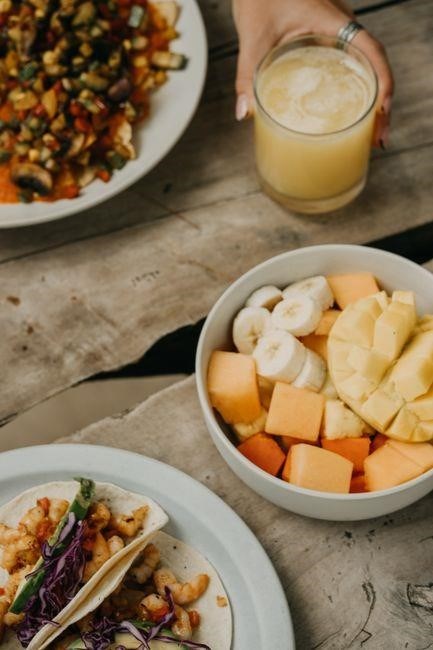
In the 2022 Anticancer Lifestyle Program e‑book, the anti‑inflammatory menu emphasizes fatty acids that actively suppress inflammatory pathways. Omega‑3‑rich foods such as wild‑caught salmon, sardines, mackerel, and trout deliver EPA and DHA, which compete with pro‑inflammatory eicosanoids and lower C‑reactive protein. Plant‑based options—flaxseed, chia, hemp, and walnut—provide alpha‑linolenic acid (ALA) that the body partially converts to EPA/DHA, and they also contain lignans that modulate estrogen metabolism. Extra‑virgin olive oil, the cornerstone of Mediterranean diets, supplies oleic acid and polyphenols that inhibit NF‑κB activation. Avocado adds monounsaturated fats and vitamin E, further reducing oxidative stress. Incorporating these fats into daily meals—such as topping salads with olive oil vinaigrette, sprinkling chia on yogurt, or grilling fatty fish—ensures a steady supply of anti‑inflammatory lipids. The PDF’s sample menu shows portion control, pairing omega‑3 sources with antioxidant‑rich vegetables to maximize synergy. Consistent intake of healthy fats supports endothelial function, improves lipid profiles, and promotes a resilient immune system, key to long‑term disease prevention.
Adopting these fats consistently turns meals into anti‑inflammatory powerhouses. Each dish delivers omega‑3s, monounsaturated oils, and plant‑based ALA, boosting cellular resilience and lowering systemic inflammation. Regular intake of healthy fats supports longevity and quality of life. Enjoy the benefits. daily!
Foods to Avoid for an Anti‑Inflammatory Diet
The PDF warns against processed foods, added sugars, refined grains, and trans fats that spike inflammation. Gluten‑containing products and dairy may trigger sensitivity in some. Avoiding these items helps keep the inflammatory cascade at bay and supports overall wellness. Cut sugary drinks and refined carbs!
Processed Foods and Added Sugars
The anti‑inflammatory diet PDF emphasizes that processed foods and added sugars drive chronic inflammation. These items are often high in refined carbohydrates, unhealthy fats, and artificial additives that provoke oxidative stress and cytokine release. By cutting them out, you reduce the inflammatory burden on the body.
The guide lists processed snacks—chips, crackers, and cookies—as well as sugary drinks, sweetened cereals, and instant noodles. These foods spike blood sugar, leading to insulin resistance and the release of pro‑inflammatory mediators such as TNF‑α and IL‑6. Replacing them with whole grains, nuts, and fresh produce helps stabilize glucose levels.
Added sugars, from table sugar, high‑fructose corn syrup, or honey, contribute to fatty liver disease and systemic inflammation. The PDF recommends limiting sweetened beverages to one serving per week and avoiding desserts that contain refined flour. Instead, flavor meals with herbs, spices, and natural sweeteners like cinnamon or stevia.
Eliminating processed foods reduces exposure to trans fats and hidden sodium, which aggravate inflammation. The e‑book encourages mindful eating, reading labels, and choosing foods. By adopting these habits, you can lower inflammatory, improve health, and long‑term wellness stay healthy Stay curious now
Gluten and Dairy Sensitivities
The anti‑inflammatory diet PDF acknowledges that gluten and dairy can trigger inflammatory responses in sensitive individuals. Gluten, a protein found in wheat, barley, and rye, may cause intestinal permeability, leading to systemic inflammation. Dairy proteins, especially casein, can provoke immune reactions in some people, contributing to chronic inflammation.
Individuals with celiac disease, non‑celiac gluten sensitivity, or lactose intolerance are advised to eliminate or limit gluten‑containing grains and dairy products. The e‑book recommends substituting gluten‑free grains such as quinoa, brown rice, and buckwheat, and dairy alternatives like almond, oat, or coconut milk. These swaps reduce exposure to potential inflammatory triggers while maintaining nutrient balance.
For those uncertain about sensitivities, the PDF suggests a guided elimination diet: remove gluten and dairy for 4–6 weeks, then reintroduce each one individually while monitoring symptoms. This method helps identify specific triggers and tailor the anti‑inflammatory menu accordingly.
By addressing gluten and dairy sensitivities, the diet supports gut health, reduces systemic inflammation, and enhances overall well‑being. The PDF encourages working with a registered dietitian to personalize the plan and ensure nutritional adequacy.
Individuals who experience digestive discomfort after consuming gluten or dairy should consult a healthcare professional for testing and guidance. Tailored anti‑inflammatory meal plans can improve and reduce flare‑ups.
Practical Tips for Using the PDF Menu
Download the PDF, then print or save it to your device. Use the provided meal templates to plan weekly grocery lists, swapping in seasonal produce. Mark favorite recipes, and adjust portion sizes to fit your energy needs. Keep a food diary to track responses and tweak the menu accordingly. share insights!!
How to Download and Print the PDF
Access the official Anti‑Inflammatory Diet e‑book by following the link provided by the Anticancer Lifestyle Program. Click the URL to open the PDF in your browser or download it to your computer. Once loaded, use the built‑in PDF viewer’s “Print” function to produce a hard copy, or save the document for offline reading. For mobile users, tap the download icon, then select “Print” from the share menu. Adjust page orientation and scaling to fit your preferred paper size, ensuring meal plans and ingredient lists remain legible. If you prefer a digital version, bookmark the page or add the PDF to a cloud‑based note‑taking app for quick reference during grocery shopping or meal prep. Remember to keep the file updated by checking the program’s website for new editions or supplemental resources that may refine or expand the menu options. By following these simple steps, you’ll have a ready‑to‑use guide that supports a balanced, anti‑inflammatory eating routine. Additionally, you can use the PDF’s table of contents to jump directly to specific sections such as “Fruits and Vegetables” or “Healthy Fats.” The program recommends printing the PDF in high‑resolution mode to preserve the quality of images and charts. If you encounter any issues, the website’s FAQ section offers troubleshooting tips for common download or printing problems. Finally, consider sharing the PDF with friends or family who are also interested in reducing inflammation through diet, as collaborative meal planning can enhance motivation and accountability. Use the PDF’s meal planning tools to create weekly menus that align with your health goals and dietary preferences, ensuring nutrition daily!!!!
Customizing the Menu to Personal Preferences
To further tailor the menu, add superfoods like chia seeds, flaxseed, and dark chocolate in moderation; these boost omega‑3s and polyphenols. Try fermented foods such as kimchi or kefir to support gut health. Adjust cooking methods—grilling or steaming—to preserve nutrients. Track reactions and refine choices with a dietitian’s guidance. Enjoy the journey and!!!!!!!!!!