
The Brother L2700DW manual offers a concise guide for beginners and advanced users alike. It covers setup, printing, scanning, and maintenance, ensuring smooth operation in home or office environments. Follow steps closely to maximize performance and reliability. Quick setup steps enable instant use now.
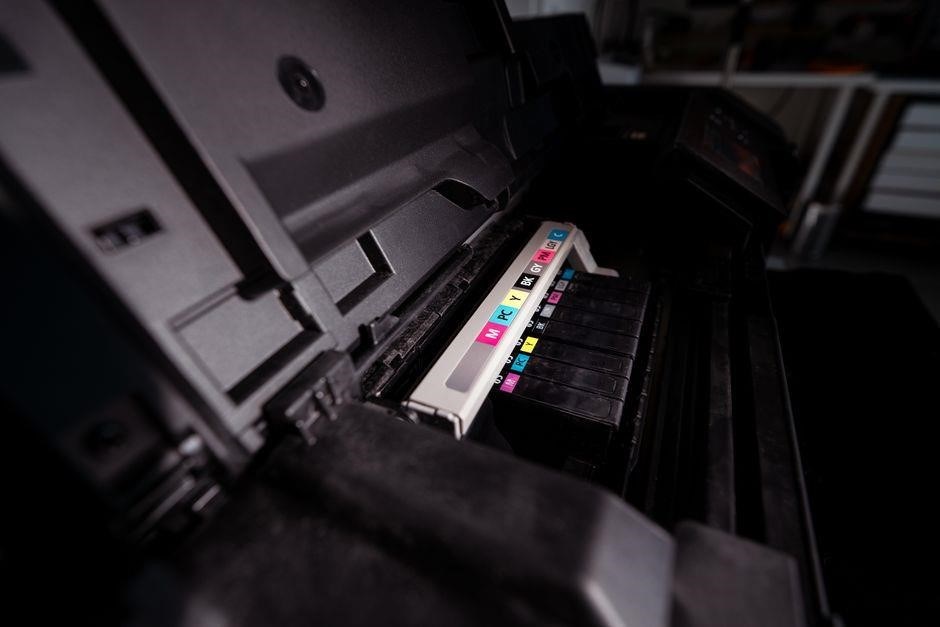
Overview of Brother L2700DW

The Brother L2700DW is a compact, wireless color laser printer designed for small offices and home use. It delivers crisp prints, fast scanning, and integrated Wi‑Fi, Ethernet, and mobile printing. The manual guides setup, operation, and troubleshooting for optimal performance. Enjoy eco‑friendly prints.
Key Features
• Wireless connectivity: Wi‑Fi, Ethernet, and mobile printing via AirPrint, Google Cloud Print, and Brother iPrint&Scan.
• Fast print speed: up to 30 pages per minute (ppm) in black and 20 ppm in color.
• High‑resolution output: 1200×1200 dpi for sharp text and vibrant images.
• 250‑sheet input tray with 100‑sheet manual feed for large jobs.
• Duplex printing: automatic double‑side printing saves paper and reduces costs.
• Energy‑efficient design: Eco‑Power mode and automatic sleep mode lower power consumption.
• Compact footprint: 17.4×17.4×20.4 cm, ideal for small workspaces.
• Easy maintenance: auto‑cleaning print head, replaceable toner cartridges, and a clear status display.
• Secure printing: password protection and secure print release for confidential documents.
• Scanning capabilities: 600×600 dpi flatbed scanner with 2‑in‑1 scan‑to‑email, PDF, and cloud storage.
• Fax functionality: built‑in fax with 300×300 dpi scanning and 300 bps transmission.
• User-friendly interface: 3.5‑inch color LCD, intuitive menu navigation, and quick‑select buttons.
• Compatibility: Windows, macOS, Linux, iOS, Android, and Chromebook via universal driver.
• Reliability: 10‑year warranty on key components and 3‑year limited warranty on the printer.
• Eco‑friendly: toner cartridges are recyclable and the printer meets ENERGY STAR® and EPEAT® standards. This manual also includes troubleshooting tips and maintenance schedules to keep your printer running smoothly. daily.
Design and Build
Brother L2700DW boasts a sleek, minimalist design that blends seamlessly into modern office or home settings. The printer’s chassis is constructed from high‑strength ABS plastic, providing durability while keeping the overall footprint compact at 17.4×17.4×20.4 cm. A matte gray finish offers a professional look, and the front panel features a 3.5‑inch color LCD display for intuitive navigation. The device is equipped with a 250‑sheet input tray and a 100‑sheet manual feed slot, allowing users to handle a variety of paper types and sizes with ease. Connectivity ports include a USB 2.0 interface, an Ethernet RJ‑45 jack, and a built‑in Wi‑Fi module, all neatly arranged on the rear panel for cable management. A dedicated power button and status LEDs provide clear operational feedback. The printer’s internal layout is engineered for efficient airflow, reducing heat buildup and ensuring consistent performance. A removable toner cartridge holder simplifies maintenance, and the automatic print‑head cleaning system keeps print quality high. The overall design emphasizes user convenience, with quick‑select buttons for common tasks and a clear, concise instruction panel. The L2700DW’s robust build quality, combined with its thoughtful ergonomics, makes it a reliable choice for both small and medium‑sized work environments. Its ergonomic controls and quiet operation make it suitable for collaborative workspaces, while the integrated power‑saving mode ensures minimal environmental impact without compromising performance daily now!!

System Requirements
Brother L2700DW works with Windows 7/10/11, macOS 10.12+, and Linux. It requires a 1.5 GHz CPU, 2 GB RAM, and 200 MB free disk. Wi‑Fi (802.11b/g/n) or Ethernet is needed for network printing. USB 2.0 supports direct connection. Ensure drivers are installed. Enjoy! Share.!!
Operating System Compatibility
Windows users install the L2700DW using Brother’s Windows driver for 7, 8, 8.1, 10, and 11. The installer configures printing, scanning, fax, and wireless. After installation, the device appears in Control Panel or Settings and is ready to print immediately.
macOS support spans Sierra (10.12) through Ventura (13). Download the .pkg installer from Brother’s site, run it, and the printer will show up in Printers & Scanners. The macOS driver includes a scanning app that outputs PDF, JPEG, or TIFF, and a fax utility for sending documents. The installer also provides a quick‑start wizard that auto‑detects network settings, simplifying configuration for new users.
Linux users can install the open‑source driver from Brother’s Linux page. Supported distros include Ubuntu 18.04+, Debian 10+, Fedora 30+, and CentOS 7+. After extracting the tarball and running the install script, add the printer via CUPS, and the device will work over USB or Wi‑Fi.

The L2700DW’s web interface works on Chrome, Firefox, Safari, and Edge. By entering the printer’s IP, users can configure wireless, update firmware, and monitor print queues without installing drivers, handy for quick setup. It also supports secure printing via HTTPS, ensuring data privacy over the network.
Overall, the L2700DW provides broad OS compatibility, letting users on Windows, macOS, Linux, or a web browser enjoy reliable printing, scanning, and faxing. Follow the official guides to achieve optimal performance and secure connectivity. Signed for safety Secure.
Minimum Hardware Requirements

To operate the Brother L2700DW efficiently, the host computer should meet the following baseline specifications. For Windows, a 1.6 GHz or faster dual‑core processor, 512 MB RAM, and 30 MB free disk space for the driver installation are recommended. A USB 2.0 or higher port is required for wired connectivity, while Wi‑Fi uses the built‑in 802.11b/g/n module and requires a 2.4 GHz network with WPA/WPA2 security enabled.
On macOS, a 1.4 GHz or faster Intel processor, 512 MB RAM, and 50 MB of free storage are sufficient. The printer can be accessed via Bonjour or AirPrint, but the dedicated driver provides enhanced features such as duplex scanning and fax. The Mac should run Sierra (10.12) or newer, and the network must support IPv4 or IPv6 for discovery.
Linux distributions need a 1.2 GHz processor, 512 MB RAM, and 30 MB of free space for the package. The driver relies on the CUPS printing system, so CUPS 2.2 or later is required. The network interface must support 802.11b/g/n, and the system should have the libusb‑1.0 package installed for USB operation.
All platforms benefit from a stable power supply: the printer’s power adapter must provide 12 V, 2.5 A, and the host computer should have a reliable network connection to avoid interruptions during large print jobs. The recommended minimum is a 100 Mbps Ethernet or a 20 Mbps Wi‑Fi link to ensure smooth data transfer and quick queue processing. Additionally, the printer supports IPv6 over Wi‑Fi, ensuring connectivity for modern networks today. and now!!
Installation Guide
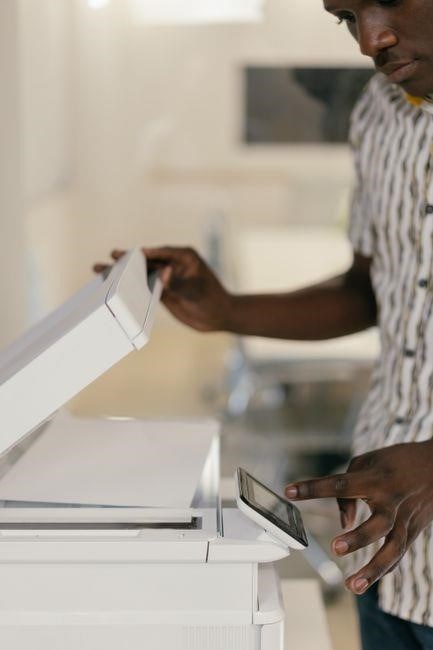
Unpack the Brother L2700DW, connect the power cable, and plug into a 12 V outlet. Install the driver from the included CD or download the latest version from Brother’s website. Follow the on‑screen wizard to select USB or Wi‑Fi, then test a print to confirm setup. Verify firmware updates for reliability now.
Printer Setup
Begin by placing the Brother L2700DW on a stable surface, ensuring the ventilation slots remain unobstructed. Connect the power cord to the printer and a 12‑V outlet, then press the power button. The indicator light will flash, signaling readiness. Next, open the front cover to load paper: align the paper tray, adjust the paper width guides, and insert a stack of paper up to the maximum capacity. Close the cover until the latch clicks. For setup, press the Menu button, navigate to Network, select WLAN, then Setup Wizard. The printer will search for available networks; choose your SSID, enter the password, and confirm. If you prefer a wired connection, plug an Ethernet cable into the back panel, then connect the other end to your router. After the network configuration, the printer will display a confirmation screen. Launch the installer, accept the license agreement, and follow prompts to complete installation. Once finished, print a test page to verify connectivity and print quality. If the test fails, revisit network settings or driver installation steps. For any issues, consult troubleshooting section or contact support. Download firmware from Brother’s site and run the update. After updating, reboot and verify firmware via control panel. If errors occur, refer to the guide or contact support. Set print quality in printer properties for crisp text. Select paper type and print mode via the control panel. After printing, check output for streaks. With these steps completed, the Brother L2700DW is ready for everyday use, delivering reliable, high‑quality prints and scans.
Driver Installation
To install the Brother L2700DW driver, download the latest package from the official Brother website and run the installer. Accept the license agreement, then choose Standard or Custom installation. During Custom setup, you can enable or disable features like fax or mobile printing. After installation, the driver will detect the printer if it is connected via USB or network. If not detected, click Detect or manually add the device by entering its IP address. For wireless, ensure the printer’s Wi‑Fi is active and the correct SSID is selected. Once the printer appears, click Finish to complete the process. Verify the installation by printing a test page from the Control Panel or System Preferences. If the test page prints correctly, the driver is functioning. Advanced users can adjust settings via Properties or Print Settings, changing print quality, paper size, duplex options, etc. If errors occur, check the Brother support forums or update the firmware. Keep the driver updated to maintain compatibility with new OS releases and security patches. Proper driver installation ensures optimal performance, reliable connectivity, and full access to all printer features.
For mobile users, the Brother iPrint&Scan app lets you print and scan directly from smartphones or tablets. Pair the device with the printer over Wi‑Fi or Bluetooth, then select the document or photo. The app also supports cloud services like Google Drive and Dropbox, giving you easy access to files from anywhere. You can also print directly from the web portal!

Using the Manual Features
Manual features let you control printing and scanning. Set page size, orientation, and quality via the control panel. For scanning, choose resolution, format, and destination. Adjust duplex and preview before printing quickly.
LCD status appears, tweaks available
LCD status appears, tweaks available
Printing Documents
To print a document, first ensure the printer is powered on and connected to your computer via USB or Wi‑Fi. Open the file you wish to print in its native application—Word, PDF reader, or web browser. Click the “Print” icon or press Ctrl+P (Cmd+P on Mac). In the print dialog, select “Brother L2700DW” as the target printer. Choose the desired paper size from the drop‑down menu; the default is A4, but you can switch to Letter, Legal, or custom dimensions. Set the orientation to portrait or landscape depending on your layout. For high‑quality output, select the “Print Quality” option and choose “High” or “Best.” If you need to print multiple copies, enter the number in the “Copies” field. The “Print Range” section allows you to specify page numbers or ranges; leave it blank to print the entire document. To enable double‑sided printing, toggle the “Duplex” switch if your document is long or you want to save paper. If the printer supports it, you can also enable “Print on Both Sides” for a more eco‑friendly option. Once all settings are confirmed, click “Print.” The printer’s status light will flash, indicating that the job is queued. Monitor the LCD display for any error messages such as “Paper Jam” or “Low Ink.” If the printout is not aligned correctly, go back to the driver settings and adjust the “Page Offset” or “Margins.” For color documents, ensure the “Color” option is selected; for black‑and‑white, choose “Grayscale.” After printing, the printer will automatically eject the pages. If you need to cancel a job, use the “Cancel” button in the print queue or press the “Cancel” button on the printer’s control panel. This completes the basic printing process for the Brother L2700DW. Ensure the printer’s IP address is correct in network settings.
Scanning and Faxing
Place the document face‑down on the flatbed or feed it into the automatic document feeder (ADF). Press the “Scan” button, choose PDF, JPEG, or TIFF, set 300 dpi for standard or 600 dpi for high detail, and pick the destination: email, USB, or cloud. For fax, tap “Fax,” enter the number, select the source, and press “Start Fax.” The LCD shows status. Sent and received faxes are stored in memory; view them via the “Fax” menu. Advanced settings are on the web interface. Duplex scanning is available; enable the “Duplex” option. The ADF handles up to 50 sheets, and “Batch Scan” names files sequentially. OCR converts images to editable text; activate OCR and choose the language. Barcode scanning works—place a barcode and select “Barcode Scan.” The Brother iPrint&Scan app lets you scan from your phone, send files to the printer or cloud, and fax through the device. Clean the scanner glass with a microfiber cloth to keep images clear. Firmware updates are available over Wi‑Fi; check the “System” menu. Warranty covers defects for one year; register online to activate it. The printer also supports analog and digital lines, enabling flexible connectivity. Regular firmware updates keep the device secure and compatible. When using Wi‑Fi, ensure the network is stable and the printer’s IP address is correctly configured. The device’s LCD provides real‑time status updates, and the web interface allows advanced configuration such as setting up scan profiles, fax server settings, and automatic email forwarding. The built‑in OCR supports multiple languages, making it ideal for multilingual documents. Keep firmware up to date for performance!!